Dental implants are one of the most reliable, long-lasting, and natural-looking solutions for missing teeth. Whether you need a single tooth implant, multiple implants, or a full mouth dental implant restoration, our experienced team provides personalized, comfortable care from start to finish.
We use advanced technology to ensure precision, faster healing, and exceptional results that look and feel like your natural teeth.
Let’s Take Care of Your Smile!
Offering comprehensive dental services with comfort, care, and precision.

What Are Dental Implants?
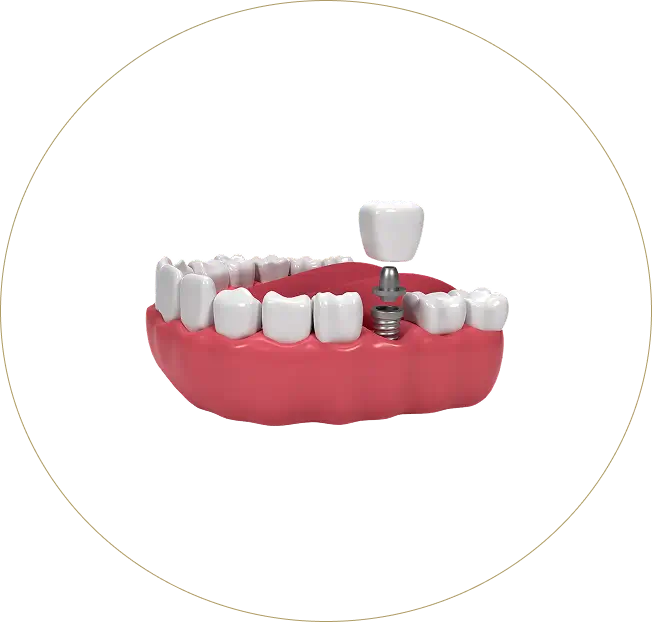
A dental implant is a small titanium post placed into the jawbone to replace a missing tooth root. Once healed, it supports a crown, bridge, or full arch prosthetic.
Benefits of Dental Implants
-
Look and feel like natural teeth
-
Prevent bone loss and facial sinking
-
Improve chewing and speaking
-
Preserve surrounding teeth
-
Long-term durability
-
Permanent and stable—no slipping
Our dentists use digital imaging and a comprehensive evaluation to determine whether extraction is the best option or if alternative treatments may save your tooth.
Book an appointmentOur Implant Services
We offer a full range of implant solutions:
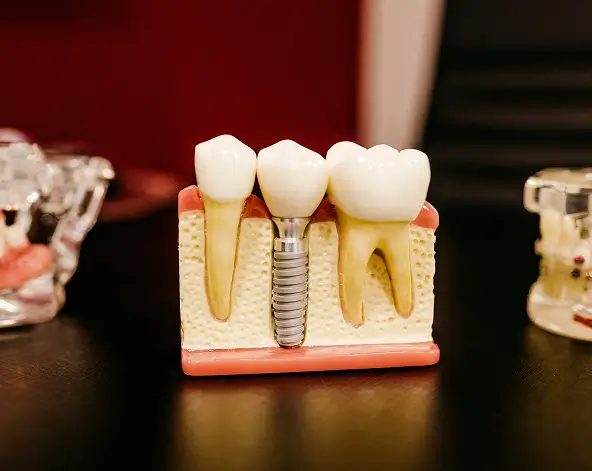
Single Tooth Implants
Ideal for replacing one missing tooth with a natural-looking crown.
Multiple Dental Implants
Perfect for several missing teeth in one or multiple areas.
Full Mouth Dental Implants
An advanced solution that replaces an entire upper, lower, or both arches with a strong, fixed restoration.
Implant-Supported Dentures
A secure and comfortable alternative to removable dentures.
Understanding the Tooth Implant Process
Your tooth implant process is customized to your needs, but typically includes:
Consultation & 3D Scan
We evaluate your oral health and create a detailed treatment plan using advanced imaging.
Implant Placement
A small titanium post is gently inserted into the jawbone.
Healing Phase
The implant fuses with your bone in a process called osseointegration—usually 3–4 months.
Abutment Placement
A connector is added to support your new crown or restoration.
Final Crown or Prosthetic
A beautifully crafted, natural-looking tooth or full arch is secured to the implant.
Consultation & 3D Scan
We evaluate your oral health and create a detailed treatment plan using advanced imaging.
Implant Placement
A small titanium post is gently inserted into the jawbone.
Healing Phase
The implant fuses with your bone in a process called osseointegration—usually 3–4 months.
Abutment Placement
A connector is added to support your new crown or restoration.
Final Crown or Prosthetic
A beautifully crafted, natural-looking tooth or full arch is secured to the implant.
You’ll leave with a stronger, healthier, and more confident smile.
Dental Implants Cost – What to Expect
Implant pricing varies based on each patient’s needs and anatomy. Your dental implants cost depends on:
- Number of implants
- Type of restoration (crown, bridge, full arch)
- Bone graft or sinus lift (if needed)
- Implant material and brand
- Overall treatment complexity
We provide clear, upfront pricing after your consultation.
Book an appointment
Tooth Implant Cost
A single implant typically includes:
-
Abutment
-
Abutment
-
Custom crown

Costs vary case-to-case, but implants remain a long-term investment in your oral health because they prevent bone loss and last for decades.

Cost of Full Mouth Dental Implants
Full mouth treatments depend on:
- Number of implants used per arch
- Type of full arch prosthesis
- Level of bone support
We offer several full arch implant solutions with a range of pricing options to fit your goals and budget.
Book an appointment
Are Dental Implants Right for You?
You may be a good candidate if you:
-
Have missing teeth
-
Want a permanent solution, not dentures
-
Have good overall health
-
Have adequate bone density
-
Want a natural-looking restoration
Our team will guide you through every step to determine the best implant plan for your smile.
Why Patients Choose Us for Dental Implants
Experienced implant specialists
Advanced 3D imaging and precise planning
Comfortable, modern office
High-quality implant materials
Natural-looking, long-lasting results
Flexible financing options available
Your comfort and confidence matter. We ensure a smooth, stress-free experience from consultation through completion.
Expert care for every stage of your dental health.
These treatments are commonly recommended alongside implants to ensure the best foundation and final result.
Often paired with dental implants
 Often paired with dental implants




Frequently Asked Questions
A dental implant is a small titanium post that is placed into the jawbone to replace a missing tooth root. Over the following months, the bone grows around the implant in a process called osseointegration, anchoring it securely in place. Once healed, a crown, bridge, or other restoration is attached to the implant to replace the visible part of the tooth. The result looks, feels, and functions like a natural tooth.
With good care, dental implants are designed to last a lifetime. The implant post itself, once integrated with the bone, is extremely durable. The crown attached to the top may need to be replaced after 10 to 15 years depending on wear, similar to a regular dental crown. Keeping up with regular professional cleanings and avoiding habits like grinding your teeth without a night guard will help your implant last as long as possible.
Most healthy adults with one or more missing teeth are candidates for implants. Good candidates generally have adequate jawbone density to support the implant and healthy gums free of active infection. Conditions like uncontrolled diabetes or smoking can affect healing and implant success, though these do not necessarily disqualify you. Your periodontist will evaluate your bone levels, gum health, and overall health during your consultation and let you know what to expect.
The placement procedure is done under local anesthesia, so you should not feel pain during the surgery itself. Afterward, some soreness and mild swelling for a few days is normal and typically manageable with over-the-counter pain relief. Most patients report that the discomfort is less than they anticipated. The healing phase that follows is gradual and generally not painful.
The full process typically takes several months because the implant needs time to fuse with the bone before the final restoration can be placed. After implant placement, the healing phase usually lasts three to four months. Then the abutment and crown are added. Total treatment time from consultation to final restoration is often in the range of six to twelve months, though this varies depending on your situation, whether any bone grafting is needed, and how quickly you heal.
If your jawbone is not dense or wide enough to support an implant, a bone graft may be recommended first to build up the area. This is a common additional step, not a disqualifying one. Socket preservation done at the time of extraction can often prevent significant bone loss and reduce the need for grafting later. Your periodontist will assess your bone levels using imaging and let you know whether grafting is part of your plan.
Made by Dentaloo: Dental Plan Platform