If you’re experiencing gum recession, sensitivity, or exposed tooth roots, our specialized gum grafting surgery can help restore your oral health, protect your teeth, and improve your smile. Our experienced periodontal team offers advanced, comfortable, and predictable gum graft procedures designed to rebuild lost tissue and strengthen your gums long term.
Whether you need a single-tooth graft or full-arch treatment, we are here to deliver precise care tailored to your needs.
Let’s Take Care of Your Smile!
Offering comprehensive dental services with comfort, care, and precision.

What Is a Gum Graft?
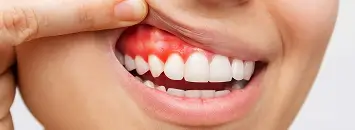
A gum graft is a periodontal procedure that restores gum tissue lost due to gum disease, brushing trauma, genetics, or aging. During the procedure, healthy tissue is placed over areas where gums have receded, helping to:
-
Cover exposed roots
-
Reduce sensitivity
-
Prevent further recession
-
Restore symmetry to your smile
-
Protect against decay and infection
-
Improve gum health
Gum grafting is a safe and predictable surgery that helps protect both your teeth and your overall oral health.
Book an appointmentOur Gum Grafting Services
We provide several types of gum grafting surgery, depending on your unique case:

Connective Tissue Graft
Ideal for covering exposed roots. Tissue is placed beneath the gum flap and secured for natural healing.
Free Gingival Graft
Strengthens thinning gums by adding firm tissue to the gumline, often from the palate.
Allograft / Donor Tissue Grafting
A less invasive option using safe donor tissue—no second surgical site needed.
Cosmetic Gum Grafting
Perfect for enhancing the appearance of your smile and correcting uneven gum levels.
No matter which technique you need, you’ll receive gentle care and detailed instructions for smooth healing.
Book an appointment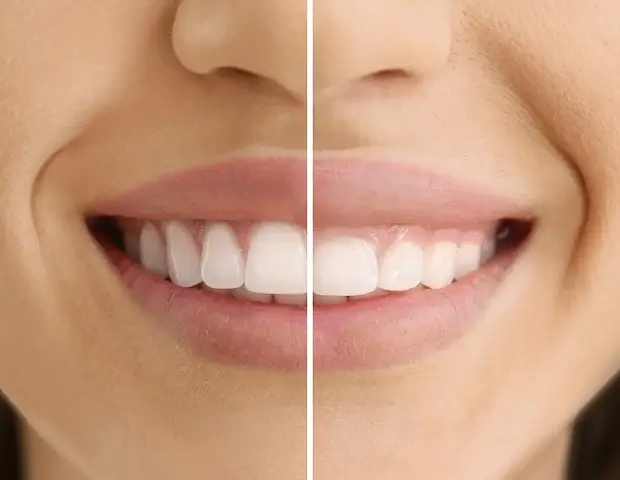
Do You Need Gum Grafting?
You may be a candidate for gum grafting if you experience:
- Gum recession
- Tooth sensitivity
- Exposed tooth roots
- Loose teeth
- Frequent gum irritation
- Concern about smile appearance
- History of gum disease
Our periodontist will evaluate your gums and recommend the most effective grafting method.
Book an appointment
Tooth Extraction Healing — What to Expect
Tooth extraction healing begins immediately after the procedure. Here’s a general timeline:
First 24 Hours
 First 24 Hours
- Gum recession
- Soft foods recommended
- Avoid brushing grafted area
2–3 Days
- Mild soreness decreases
- Continue prescribed rinses
- No heavy exercise
1–2 Weeks
- Graft begins to integrate
- Stitches dissolve or are removed
- Sensitivity reduces
Full Recovery
Most patients heal within 2–4 weeks, depending on the type of graft.
We provide personalized care instructions to ensure the smoothest possible recovery.
Book an appointment
How Much Does Gum Grafting Cost?
Your gum graft cost depends on:
- Number of areas treated
- Type of grafting technique
- Use of donor tissue vs. palatal tissue
- Presence of gum disease
- Insurance coverage
We provide transparent pricing and offer flexible payment options. If you are searching for affordable gum grafting nearby you, our team will work with you to create a plan that fits your needs and budget.
Book an appointmentWhy Choose Our Office for Gum Grafting?
Minimally invasive techniques
Faster, more comfortable healing
Experienced periodontal specialists
Modern technology & sedation options
Affordable treatment plans
High success rates & natural results
Your comfort and long-term gum health are always our top priority.
Expert care for every stage of your dental health.
These treatments are commonly recommended alongside gum grafting to address the root cause and support full recovery.
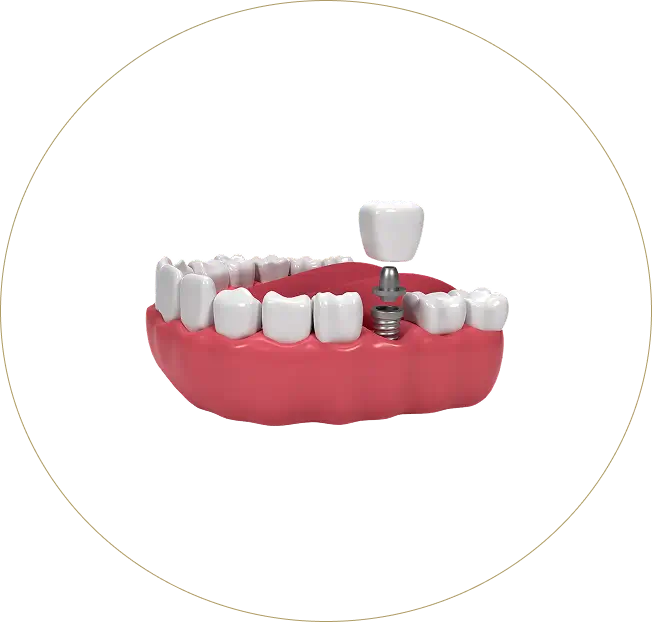
Often paired with dental implants
 Often paired with dental implants


Frequently Asked Questions
Gum recession can result from several things: gum disease is one of the most common causes, but aggressive tooth brushing, teeth grinding, thin gum tissue by nature, genetics, and previous orthodontic treatment can all contribute. In some cases it is a combination of factors. Once the gum tissue has pulled back, it does not grow back on its own, which is why grafting is used to restore coverage over exposed roots.
Common signs include visible root surfaces on one or more teeth, sensitivity to hot, cold, or sweet foods, teeth that appear longer than they used to, and gum tissue that looks thin or uneven. Your periodontist will measure the level of recession at each affected tooth and evaluate whether grafting is the right course of action. In some cases, monitoring is appropriate; in others, treatment is recommended before the recession progresses further.
The procedure is performed under local anesthesia, so you should not feel pain during the surgery. Afterward, some soreness and swelling is normal for the first few days, particularly at the graft site and, if tissue was taken from the palate, at that donor site as well. Most patients find recovery manageable with the pain relief and care instructions we provide. Allografts, which use donor tissue rather than tissue from your own palate, tend to involve a more comfortable recovery since there is only one surgical site.
The main types are connective tissue grafts, free gingival grafts, and allografts. A connective tissue graft uses tissue taken from under the surface of your palate and is the most common technique for covering exposed roots. A free gingival graft takes tissue directly from the surface of the palate and is often used when the goal is to thicken gum tissue rather than cover recession. An allograft uses processed donor tissue, which means there is no second surgical site in your mouth. Your periodontist will recommend the technique best suited to your anatomy and the extent of recession.
Most patients feel comfortable within the first week and return to normal activities fairly quickly. The graft tissue integrates with the surrounding gums over the following two to four weeks. Full maturation of the graft, meaning the tissue is fully stable and indistinguishable from the surrounding gum, takes a few months. During the healing period you will need to follow specific care instructions including a modified diet and avoiding brushing directly over the graft site until cleared by your periodontist.
If your jawbone is not dense or wide enough to support an implant, a bone graft may be recommended first to build up the area. This is a common additional step, not a disqualifying one. Socket preservation done at the time of extraction can often prevent significant bone loss and reduce the need for grafting later. Your periodontist will assess your bone levels using imaging and let you know whether grafting is part of your plan.
In most cases, yes. The goal of gum grafting is to create a result that blends naturally with your surrounding tissue in both color and texture. With an experienced periodontist, the aesthetic outcome is generally very good. You may notice the repaired areas look fuller and more even, and the sensitivity that comes with exposed roots typically resolves once the graft has healed. We will show you before and after cases during your consultation so you have a realistic expectation of what the outcome can look like.
Made by Dentaloo: Dental Plan Platform