When a tooth is removed, the bone that once supported it begins to shrink almost immediately. Without proper care, the tooth socket can collapse, causing bone loss that affects your smile, your bite, and your ability to replace that tooth in the future.
At Issa Dental Group, we specialize in socket preservation — a proven treatment that maintains the natural shape and density of the bone after a socket extraction. Whether you're preparing for a dental implant or simply want to keep your jawbone strong and healthy, socket preservation is one of the most important steps you can take.
Let’s Take Care of Your Smile!
Offering comprehensive dental services with comfort, care, and precision.

What Is Socket Preservation?
Socket preservation is a special procedure performed immediately after a tooth extraction to protect the tooth socket from collapsing.
When a tooth is removed, the jawbone naturally begins to shrink due to lack of stimulation. This can eventually make it difficult — or even impossible — to place a dental implant without additional bone grafting.
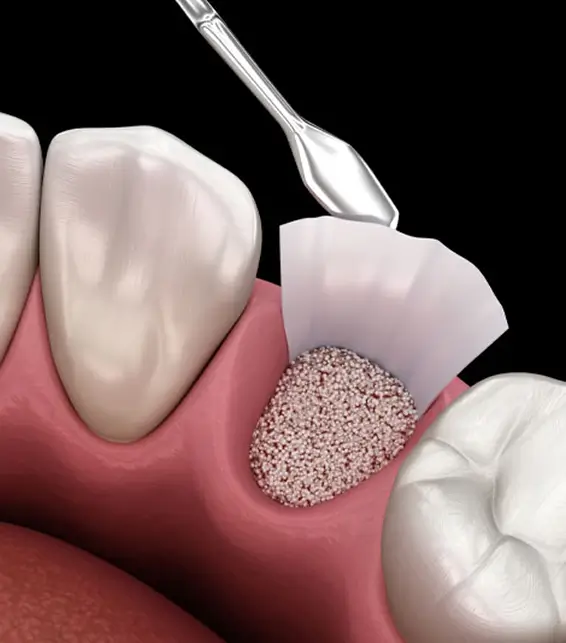
Socket preservation prevents this by placing bone graft material into the empty tooth socket, protecting the bone from rapid resorption and preserving the shape of your gums and jawline.
Why It Matters:
- Prevents bone loss after extraction
- Maintains natural facial structure
- Creates a strong foundation for future dental implants
- Helps gums heal in a natural, smooth shape
- Protects adjacent teeth from shifting
 Prevents bone loss after extraction

What Happens to the Tooth Socket After Extraction?
Without treatment, the tooth socket begins to shrink as soon as the tooth is removed. Within a few months:
- Up to 40% of the bone height and width may be lost
- The gums collapse inward
- Adjacent teeth can drift out of alignment
- The jawbone becomes too thin for a future implant
This natural shrinking process happens because the bone no longer has a “job” — without a tooth in the socket, the body reabsorbs the bone.
Socket preservation prevents this bone loss by filling and supporting the extraction socket so it heals with strength and stability.
How Socket Preservation Works
Our team at Issa Dental Group performs socket preservation immediately following a socket extraction. The procedure is gentle, predictable, and adds only a few minutes to your appointment.
Here’s what to expect:
Tooth Removal
We start by safely removing the damaged or infected tooth while preserving as much surrounding bone as possible.
Cleaning the Tooth Socket
Once the tooth is out, we clean the tooth socket and remove any residual infection or debris.
Bone Graft Placement
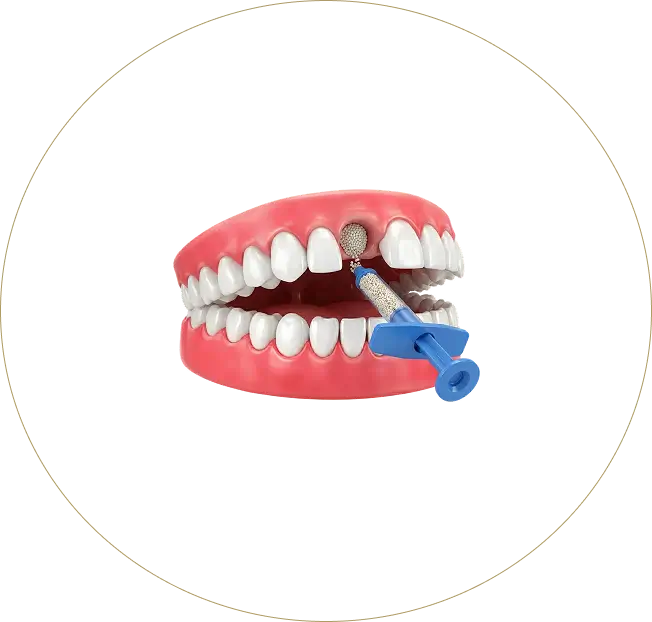
We fill the empty socket with high-quality bone graft material that encourages natural bone growth.
Membrane Protection
A protective membrane is placed over the graft to keep it secure and promote proper healing.
Suturing the Area
Finally, we stitch the gum tissue closed to help the area heal smoothly and maintain the natural shape of your jaw.
Tooth Removal
We start by safely removing the damaged or infected tooth while preserving as much surrounding bone as possible.
Cleaning the Tooth Socket
Once the tooth is out, we clean the tooth socket and remove any residual infection or debris.
Bone Graft Placement
We fill the empty socket with high-quality bone graft material that encourages natural bone growth.
Membrane Protection
A protective membrane is placed over the graft to keep it secure and promote proper healing.
Suturing the Area
Finally, we stitch the gum tissue closed to help the area heal smoothly and maintain the natural shape of your jaw.
Most patients experience little discomfort and heal quickly — and the long-term benefits of socket preservation are significant.

Benefits of Socket Preservation
Choosing socket preservation after a tooth extraction offers many advantages:
-
Protects the Tooth Socket: The procedure keeps the tooth socket intact, preserving the natural shape of your bone and gum tissue.
-
Prevents Bone Loss: By filling the socket with bone graft material, we prevent the bone from shrinking or collapsing.
-
Maintains Facial Aesthetics: Bone loss can lead to sagging or hollow areas in the face. Socket preservation keeps your jaw structure strong.
-
Prevents Shifting Teeth: Keeping the socket stable helps prevent surrounding teeth from drifting and causing bite problems.
Is Socket Preservation Necessary?
While socket preservation isn’t required after every extraction, it is highly recommended in several situations:
-
You plan to replace the missing tooth with a dental implant
-
The tooth socket is large or deep
-
You want to maintain facial symmetry and gum contours
-
You want to avoid future bone grafting
-
Your bone is naturally thin
If you’re unsure, our team will evaluate your bone structure and help you make the best decision for your long-term oral health.
Book an appointmentHealing After Socket Preservation
Healing typically takes several months, during which time the graft material integrates with your natural bone. Patients may experience mild soreness for a few days, but most return to normal activities quickly.
We provide personalized instructions for caring for the area and ensuring optimal healing. Over the next few months, your bone grows stronger and more stable — ideal for future restorations.
Socket Preservation for Dental Implants
If you’re planning to replace your missing tooth with a dental implant, this step is crucial. A dental implant requires strong, healthy bone for support.
Socket preservation ensures that the tooth socket heals in a way that can easily support an implant later on — without additional grafting or delays.
Book an appointmentWhy Choose Issa Dental Group for Socket Preservation
We take pride in offering advanced, evidence-based care with your comfort and long-term health in mind.
Patients choose us because we provide:
Expertise in extractions and bone preservation
Gentle, minimally invasive techniques
High-quality graft materials
Predictable, long-lasting results
Personalized treatment plans
Comfortable, stress-free care
Our goal is to help you protect your bone health and preserve your smile for years to come.
Expert care for every stage of your dental health.
These treatments are commonly recommended alongside socket preservation to protect your bone and prepare for future restoration.
Often paired with socket preservation
 Often paired with socket preservation


Frequently Asked Questions
Socket preservation is a procedure done immediately after a tooth is extracted to prevent the jawbone from shrinking. When a tooth is removed, the bone that held it in place no longer receives stimulation, so the body begins to reabsorb it. This can happen quickly: studies show that a significant portion of bone width can be lost within the first few months after extraction. Socket preservation fills the empty socket with bone graft material that supports new bone growth and maintains the shape of the jaw.
Socket preservation is a type of bone grafting procedure, but it is specifically performed at the time of extraction to prevent bone loss before it starts. Other bone grafts are done later to rebuild bone that has already been lost. Doing socket preservation right after an extraction is generally simpler, faster to heal, and more effective than trying to rebuild bone after significant loss has already occurred.
It is worth a conversation even if implants are not in your immediate plans. Bone loss after extraction can affect the appearance of your jaw and gumline over time, cause adjacent teeth to shift, and make any future tooth replacement more complicated. If there is a chance you may want an implant down the road, preserving the bone now gives you that option. Your dentist will help you weigh whether it makes sense given your specific situation.
The procedure is done immediately after the extraction, while the area is still numb, so you should not feel anything during it. It adds only a few minutes to your appointment. Afterward, the recovery is similar to what you would expect from the extraction itself: mild soreness and swelling for a few days that can be managed with over-the-counter pain relief and the aftercare instructions we provide.
The gum tissue usually closes over the grafted area within a few weeks. Full integration of the bone graft material with your natural bone takes several months, typically three to six months. During this time, the area should not be painful, and most patients go about their normal routine without any issues. If you are planning to have an implant placed, your dentist will wait until the graft has fully matured before moving forward.
Bone graft material used in socket preservation is biocompatible, meaning it is safe for the body and supports natural bone growth. Options include processed human bone from a tissue bank, synthetic bone substitutes, or in some cases animal-derived material. Your dentist will explain which type they recommend and why. All materials used at Issa Dental Group meet established safety and quality standards.
Possibly, but it depends on how much bone loss occurs in the meantime. If significant bone is lost before an implant is placed, a more extensive bone grafting procedure may be needed first, which adds time, complexity, and additional healing to the process. Socket preservation is designed to avoid that situation. It is much easier to maintain bone at the time of extraction than to rebuild it later.
Made by Dentaloo: Dental Plan Platform